
Swimming pool covers are used for a variety of reasons on outdoor pools: safety, protection from...
Swimming pool covers are used for a variety of reasons on outdoor pools: safety, protection from...
Today we ask an important question: why are swimming pools required to discard the water that is...
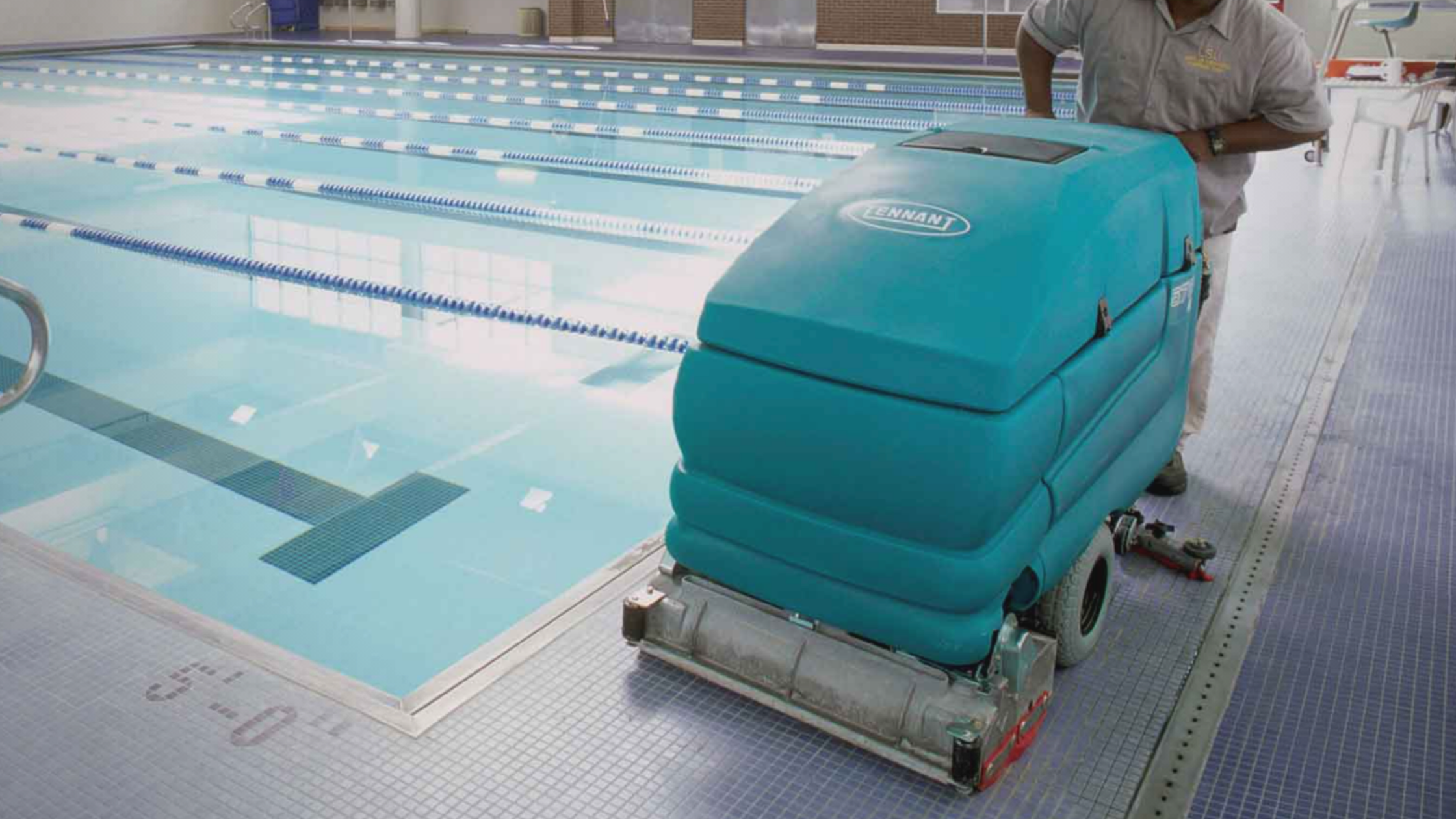
Got combined chlorine in your indoor swimming pool? If so, you're not alone. And not all combined...
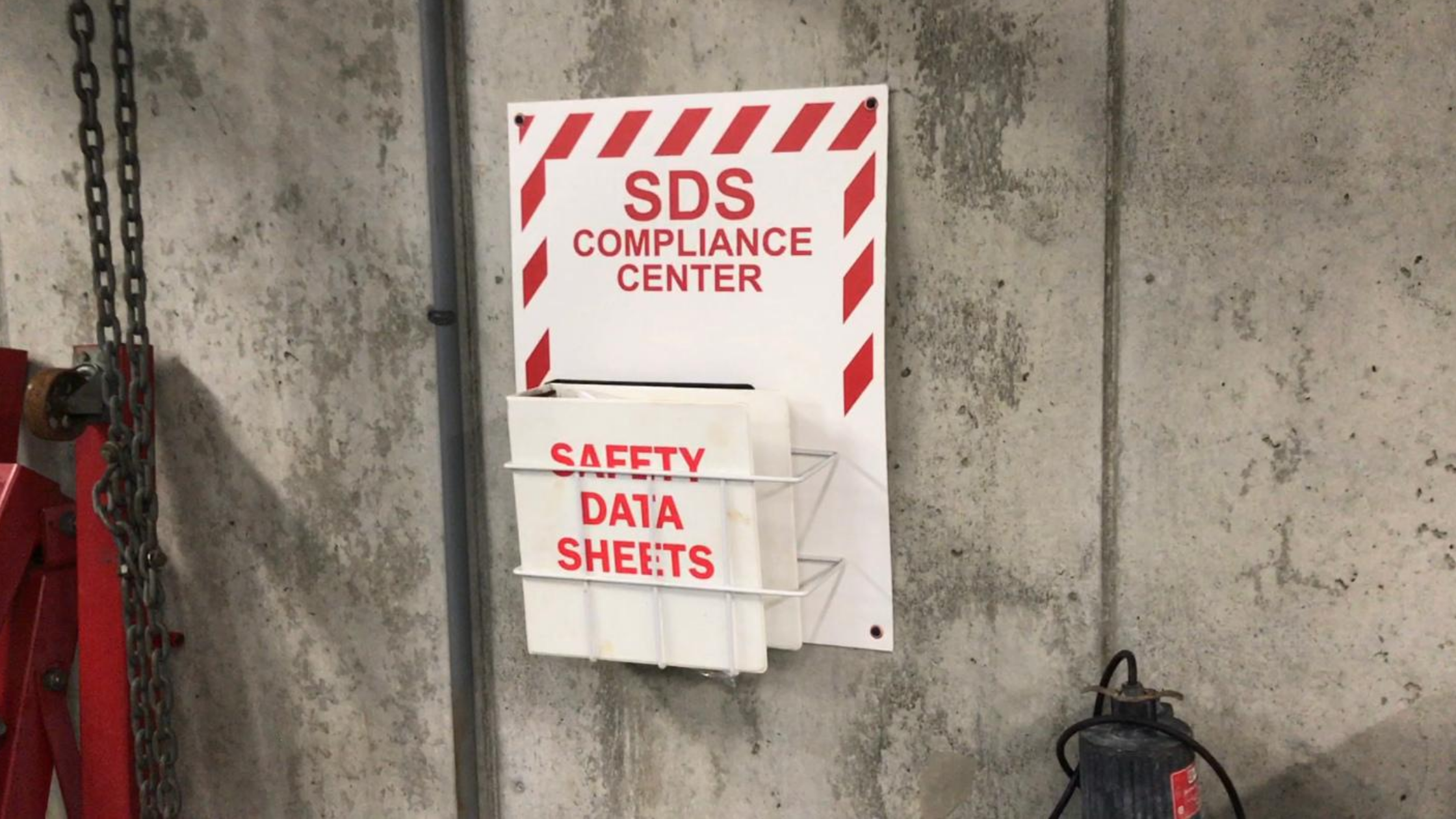
Swimming pools need chemicals to stay clean and balanced, but make no mistake, these chemicals can...

One of the biggest differences between residential and commercial pools is chemical automation....

Whether we like it or not, indoor swimming pools are warm, humid environments. By virtue of how...
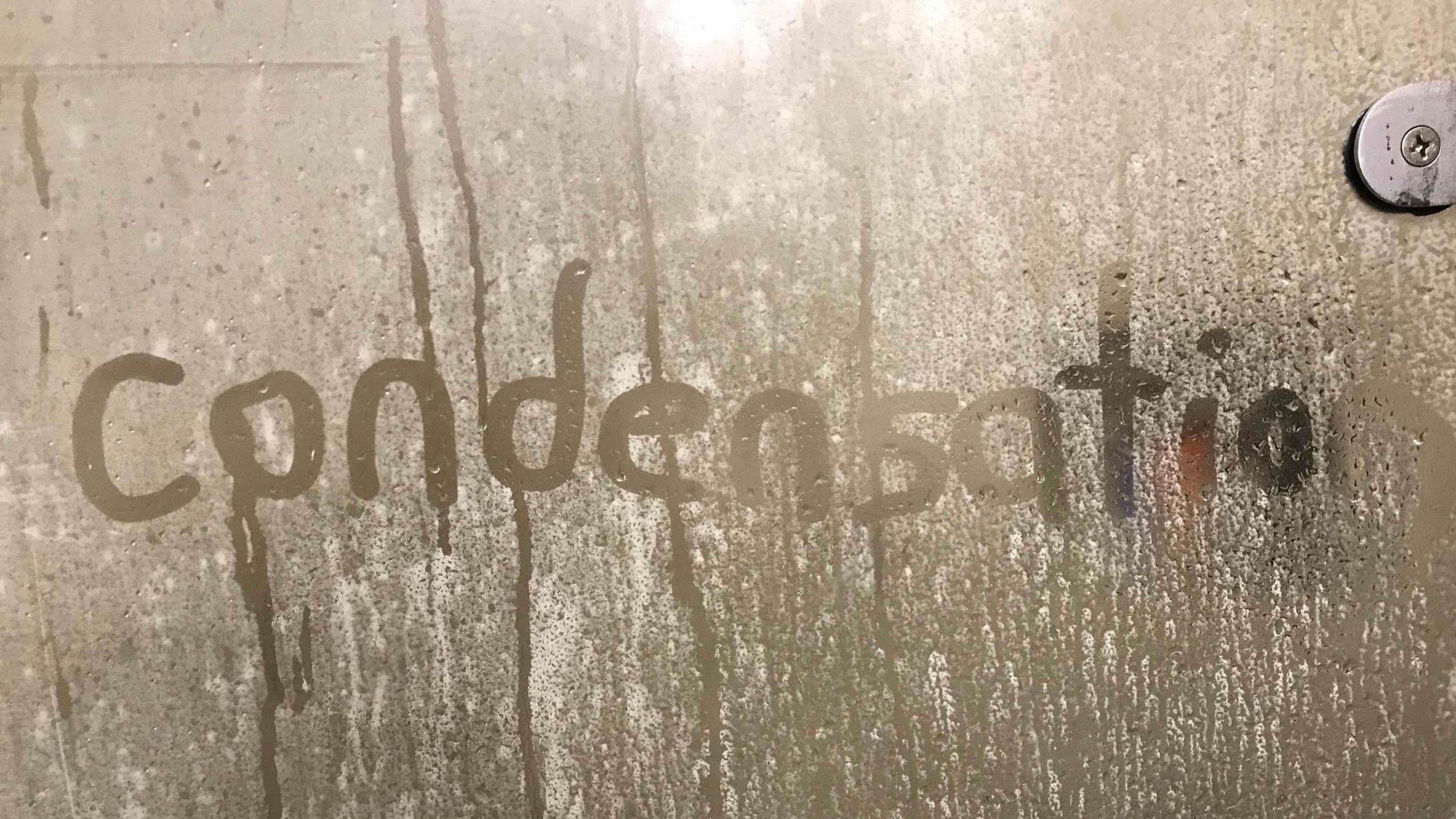
Indoor swimming pools evaporate approximately their entire volume of water each year. And because...
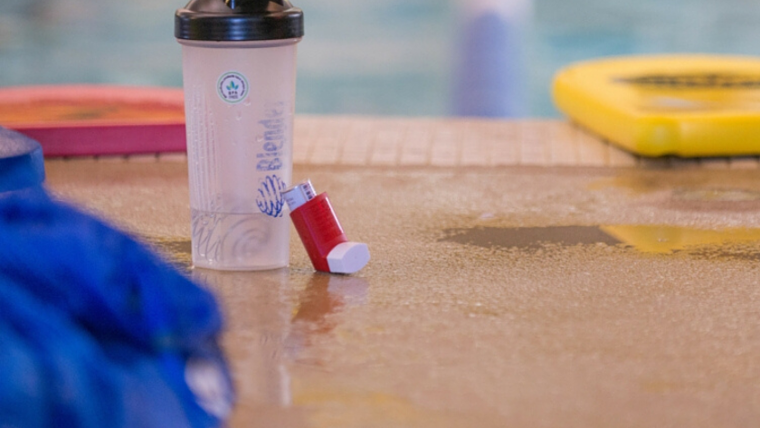
Swimming indoors causes many swimmers to cough, itch, and have burning eyes and throats. Bad indoor...

Fast swimming pools are considered "fast" when swimmers perform well in them. It's sort of an...

In the era of COVID-19, common-sense hygiene and "social distancing" have become a new normal. If...
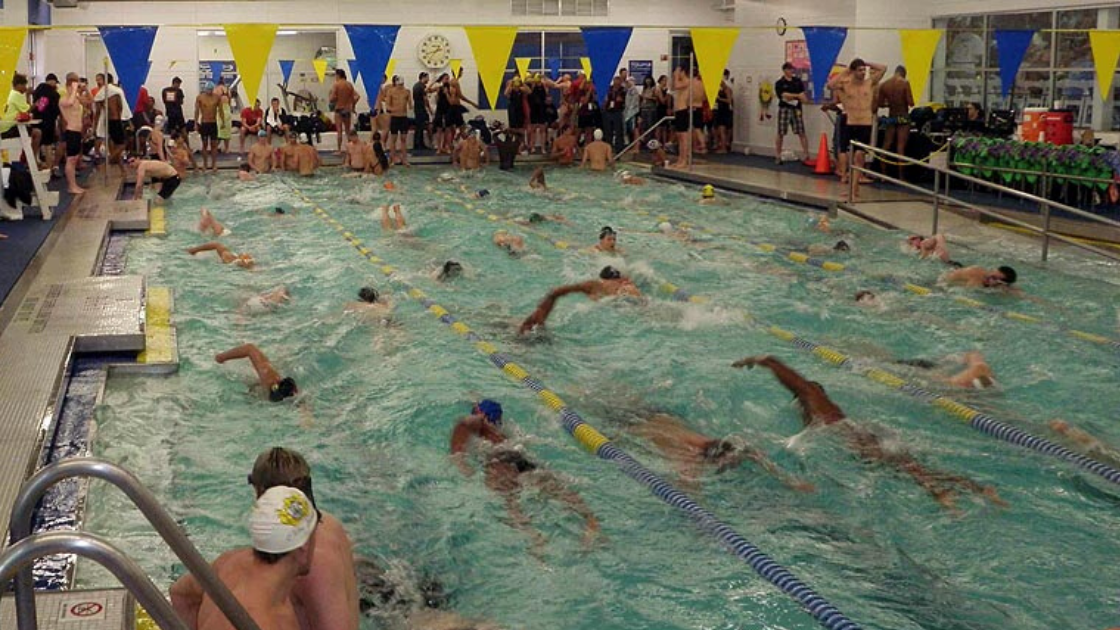
Like it or not, swimmers pee in the pool. Most swimmers believe "the chlorine will take care of it,...
Today we are going to tackle a question we get regularly: does showering before swimming really...