Swimming indoors causes many swimmers to cough, itch, and have burning eyes and throats. Bad indoor...
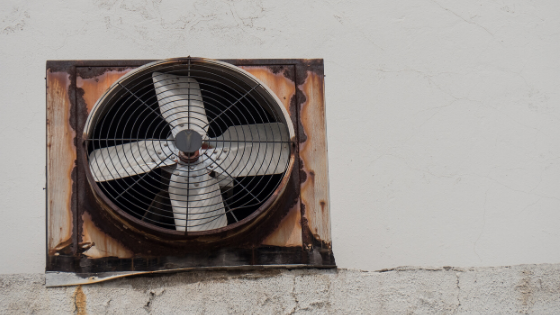
The old, obsolete approach to natatorium air quality sounded like "the solution to pollution is...

Indoor air quality in natatoriums has many variables and moving pieces, but at the end of the day,...

Time and time again we visit indoor pools with fundamental design flaws that just make us scratch...
This article expands on our last article, Part 1. Here we will focus on the process of handling...
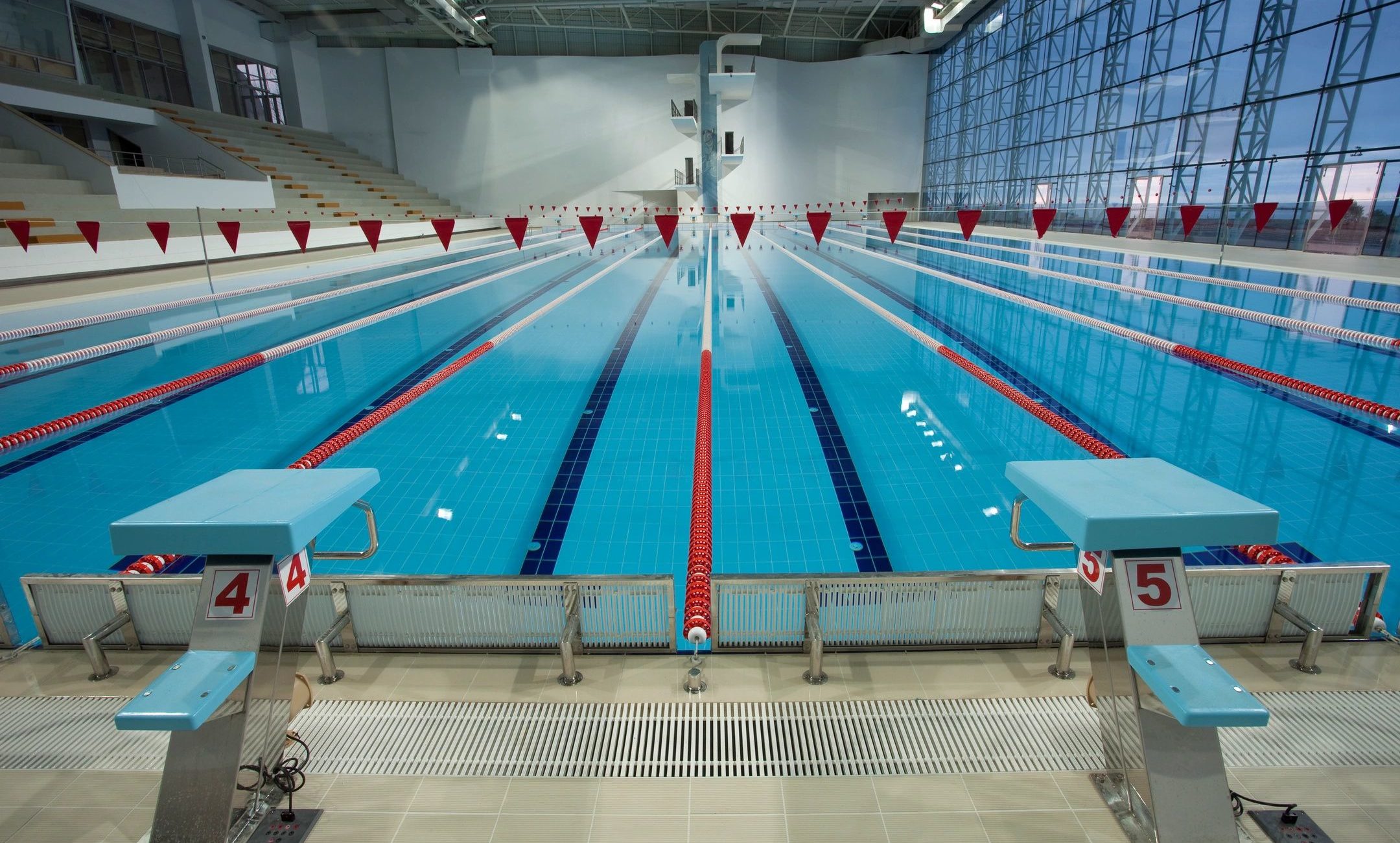
A natatorium (na-ta-TOR-ee-um) is a room that contains an indoor swimming pool.
Natatoriums are...
Chloramines are byproducts created when chlorine oxidizes or combines with nitrogen compounds.
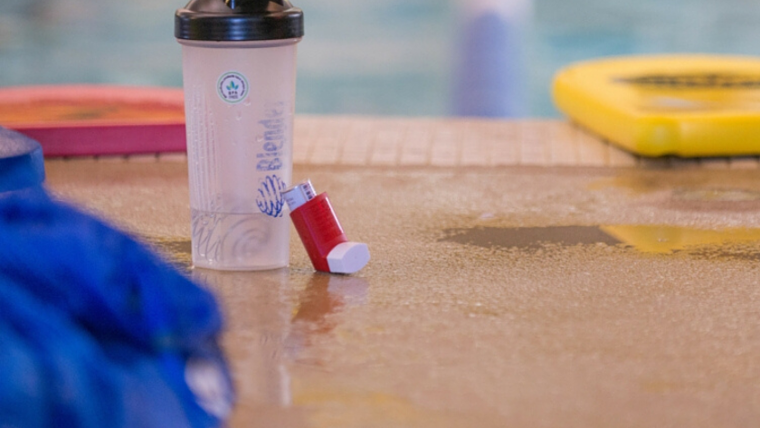
There are hundreds of these various byproducts, and they are irritants to peoples eyes, skin, throats and lungs. Some chloramines can off-gas into the air (like trichloramine), which cause the "pool smell", air quality problems, swimmer's cough, lifeguard lung, and corrosion in natatoriums.
Combined chlorine is a measurement of chlorine that has combined with nitrogen compounds, meaning it is no longer free available chlorine.
Combined chlorine cannot be tested direclty. Instead, it is calculated by subtracting free chlorine from total chlorine:
TAC - FAC = CC
Swimmers get sick from indoor pools because of poor air quality.
Air quality problems are driven by airborne chloramine pollution, but also if the dehumidification system or air design are not sufficient for the space.
No. The pool smell is primarily caused by chlorine byproducts like chloramines.
If you could smell chlorine gas, it could be fatal. Chloramines, on the other hand, are irritants that can cause hospitalizations, asthma attacks, and chronic breathing issues (like bronchitis). It's chloramines and other byproducts (like trihalomethanes) that comprise the pool smell.